
Platelet-Rich Plasma Therapy
Explore Whether PRP May Be Right for Your Pain
An individualized, self-pay treatment option for selected tendon conditions and knee osteoarthritis—guided by a thorough evaluation of your diagnosis, goals, and available alternatives.
A Thoughtful, Individualized Approach to PRP
Platelet-rich plasma (PRP) therapy uses components from your own blood to create a concentrated preparation that is injected into the area being treated. Platelets contain growth factors and other signaling molecules involved in biological processes related to tissue repair, remodeling, and inflammation regulation. At Pain, Spine & Joint Center of the Alleghenies, we consider PRP as an evolving treatment option—not an automatic recommendation. We review your condition, symptoms, medical history, prior treatments, imaging when appropriate, and goals before discussing whether PRP may be reasonable. Research continues to clarify which preparations, treatment schedules, and patient groups may benefit. PRP does not guarantee pain relief, improved function, cartilage restoration, or avoidance of surgery, and conventional care may remain the better choice for some patients.
Tendon Conditions We May Consider for LR-PRP
Tennis and Golfer’s Elbow
Leukocyte-rich PRP may be considered for selected cases of lateral epicondylitis, often called tennis elbow, and medial epicondylitis, commonly called golfer’s elbow, when persistent tendon pain has not improved with appropriate conservative care.
Achilles and Patellar Tendinopathy
For selected patients with chronic Achilles or patellar tendon pain, leukocyte-rich PRP may be discussed as part of an individualized treatment plan after a careful review of diagnosis, symptoms, and prior treatment response.
Shoulder and Hip Tendinopathy
Selected rotator cuff tendinopathies and recurrent gluteus medius tendinopathy may also be evaluated for leukocyte-rich PRP. Not every tendon problem is appropriate for PRP, and suitability depends on your specific condition.
Two PRP Preparations, Different Clinical Uses
The PRP preparation is selected based on the condition being treated. Leukocyte-rich PRP may be considered for selected tendinopathies, while leukocyte-poor PRP is used for selected patients with symptomatic knee osteoarthritis.
Leukocyte-Rich PRP
A platelet-rich preparation that includes white blood cells, considered for selected tendon conditions after individualized evaluation.
Leukocyte-Poor PRP
A platelet-rich preparation designed to limit white blood cells within the knee joint for selected patients with symptomatic knee osteoarthritis.
What PRP Can—and Cannot—Promise
Results Vary by Patient
PRP may help some patients, but outcomes depend on the condition, the individual, and other clinical factors.
No Guaranteed Relief
PRP does not guarantee pain relief, improved function, or a meaningful change in symptoms.
No Guaranteed Cartilage Restoration
PRP does not guarantee cartilage restoration or avoidance of surgery.
Treatment Details Still Evolving
Research has not established one best PRP preparation or treatment schedule for every condition.
Understanding PRP’s Biological Activity
Step 1-> Platelet Signaling
Platelets contain growth factors and signaling molecules that may influence the local tissue environment, including processes involved in repair, remodeling, and inflammation regulation.
Step 2 ->Targeted Injection
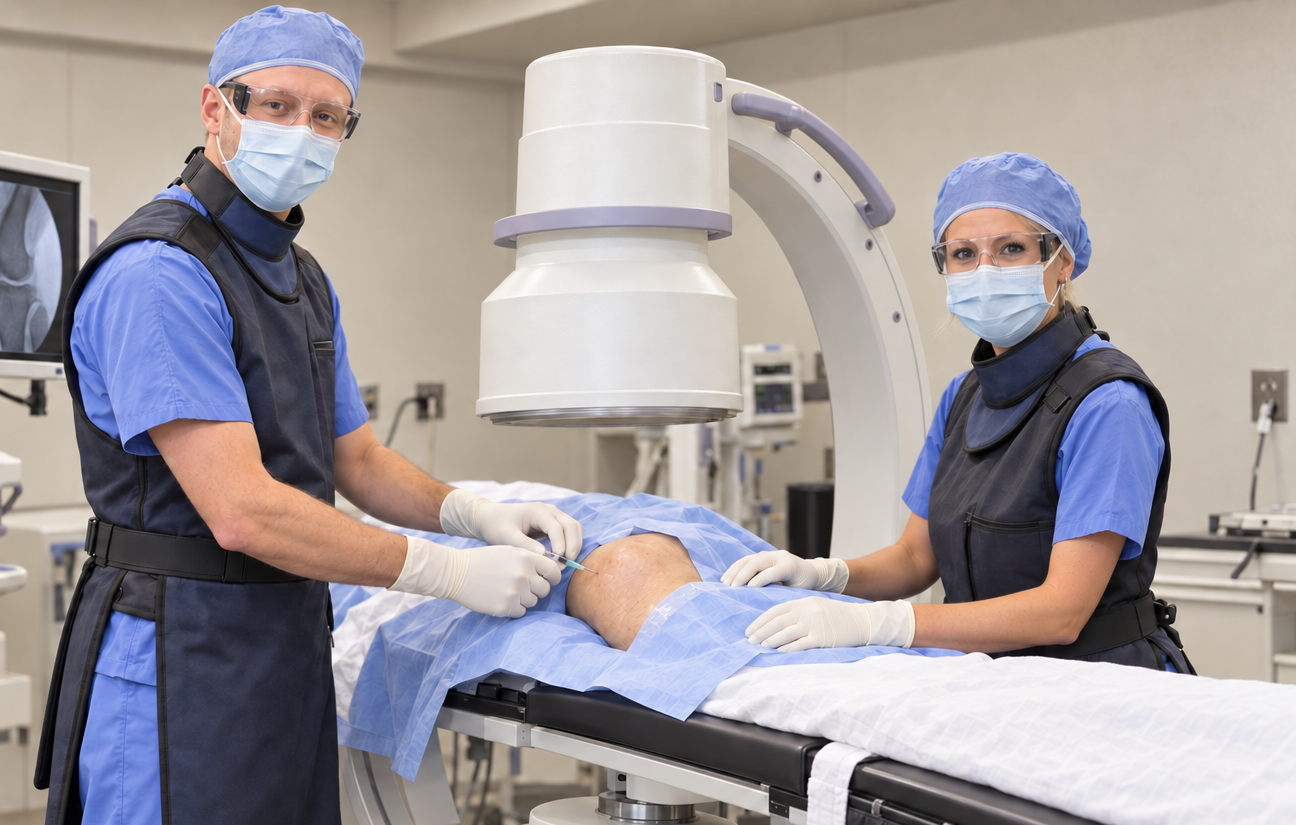
After your blood is processed, the prepared PRP is injected into the area being treated to deliver those concentrated platelet-derived components locally.
Step 3-> Response Varies
Biological activity does not guarantee a meaningful clinical benefit. Improvement, if it occurs, may take weeks or months, and some patients may not experience meaningful change.
1. Evaluation and Preparation
Your physician reviews your diagnosis, symptoms, prior treatment, medical history, goals, and imaging when appropriate. If PRP is a reasonable option, we will explain the plan, preparation instructions, alternatives, and self-pay cost.
2. Blood Collection and Injection
A sample of your blood is collected and processed to prepare platelet-rich plasma. Your physician then injects the PRP into the treatment area based on your individualized plan.
3. Recovery and Follow-Up
Temporary soreness, swelling, or increased pain can occur after treatment. Follow the activity and aftercare guidance provided for your treatment area, and keep in touch with our team as directed.
4. Allow Time for Response
PRP is not an instant pain-relief injection. When improvement occurs, it may develop gradually over weeks or months; some patients may not experience meaningful improvement.
Frequently Asked Questions About PRP
PRP treatment plans are individualized. Review these common questions, then schedule a consultation to discuss whether PRP may be appropriate for your condition.
How many PRP injections will I need?
It depends on your diagnosis, symptoms, treatment history, and goals. Some patients receive one injection, while others may be considered for a series. Your physician will discuss a recommended plan during your consultation.
How far apart are PRP injections scheduled?
If additional injections are recommended, they are generally spaced several weeks apart. The timing depends on the area treated, your response, and your individualized treatment plan.
How soon might I notice improvement after PRP?
If improvement occurs, it may take several weeks to become noticeable and sometimes several months. Response varies by condition and patient, and some people do not experience meaningful improvement.
Is PRP FDA-approved for tendon pain or knee osteoarthritis?
PRP is not FDA-approved specifically for treating knee osteoarthritis, tendinopathy, or other orthopedic conditions. Evidence continues to evolve and varies by condition and PRP preparation.
Is PRP covered by insurance?
PRP treatment is generally not covered by health insurance and is offered as a self-pay service. Our staff can provide current pricing before treatment.
What does the PRP self-pay fee include?
The PRP fee includes the preparation process, the required kit, and the injection procedure. Our staff can provide current pricing before treatment.
Does PRP work for everyone?
No. Outcomes vary, and PRP does not guarantee pain relief, improved function, cartilage restoration, or avoidance of surgery. We evaluate each patient individually and discuss appropriate alternatives.
How should I prepare for a PRP appointment?
Your physician will provide preparation instructions based on your medical history and the treatment area. Be sure to share your medications, health conditions, and any questions before your appointment.
What should I expect after a PRP injection?
Temporary soreness, swelling, or increased pain may occur. Your physician will provide guidance on activity, recovery, and follow-up based on your individual circumstances and the area treated.
(814) 593-1215
Call to Schedule a PRP Consultation
Schedule Your Consultation
Discuss persistent tendon pain or knee osteoarthritis with our team.
Saint Marys and Warren, Pennsylvania
Serving patients at our Pennsylvania locations
Find Out Whether PRP May Be Right for You
Schedule a PRP consultation to discuss your condition, treatment goals, and whether PRP belongs in your individualized care plan.
Important Information
PRP is not FDA-approved specifically for the treatment of orthopedic conditions such as knee osteoarthritis or tendinopathy. Clinical evidence is evolving and outcomes vary. PRP does not guarantee pain relief, functional improvement, cartilage restoration, or avoidance of surgery. PRP is offered as a self-pay treatment option following individualized medical evaluation.